How To Delete Inventory Transfer In QuickBooks Desktop
March 9, 2026
Use the SaasAnt Transactions Desktop to efficiently delete Inventory Transfer transactions in QuickBooks Desktop. This approach enables accountants and bookkeepers to search, back up, and remove incorrect or duplicate inventory movements in bulk. It ensures accurate stock valuation, maintains clean audit trails, and provides controlled transaction management within the company file.
Video Tutorial for How to Delete Data in QuickBooks Desktop using SaasAnt Transactions Desktop:
Prerequisites
QuickBooks Desktop is set up, and the company file is accessible.
Admin permissions for the company file are required.
SaasAnt Transactions Desktop is installed.
The company file must be opened in QuickBooks before you can connect.
How to Delete Inventory Transfer in QuickBooks Desktop: Step-by-Step Guide
Step 1: Open the SaasAnt Transactions Desktop
Download the latest SaasAnt Transactions Desktop version.
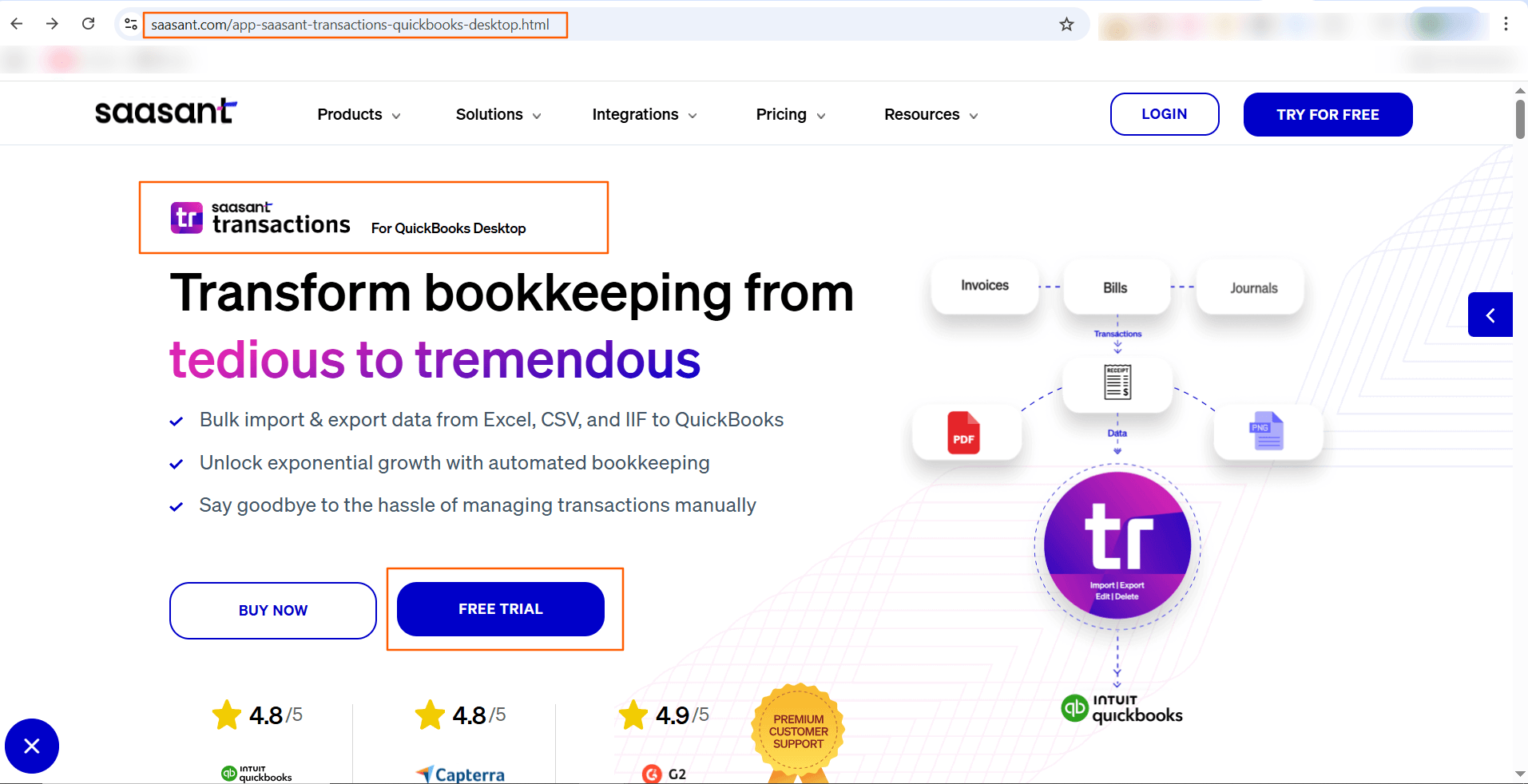
Launch the SaasAnt Transactions Desktop, and connect to your QuickBooks company file.
Step 2: Connect to QuickBooks Desktop
Go to the File menu
Click Connect to QuickBooks, and allow access permission in QuickBooks when prompted.
This secure link allows SaasAnt to read and adjust Inventory Transfers transactions in the selected company file environment.
Step 3: Open Delete Module
On the left panel dashboard, select Delete.
This section is meant for deleting transactions in bulk.
Step 4: Search Inventory Transfer
Choose QuickBooks Search
Set QuickBooks Type → Inventory Transfer
Apply filters, including date range or transaction criteria, to refine results.
Click Search to view all InventoryTransfer records for review and deletion.
Step 5: Select the Inventory Transfer to Delete
The matching InventoryInventoryTransferwill show up in the results list
Review and select the required InventoryInventoryTransferwith checkboxes
Click Download (at the bottom-left) to save a backup as an Excel (.xls) or CSV file.
Click Delete at the bottom right.
Step 6: Confirm Deletion
A confirmation pop-up appears; carefully review the count and details.
Click OK to proceed.
SaasAnt will permanently delete the selected Inventory Transfers from the QuickBooks Desktop company file.
Step 7: View Deleted Inventory Transfer
Deleted Inventory Transfer appears in the SaasAnt dashboard
You can download the deleted records using the Download option in Excel or CSV format.
To verify:
Open QuickBooks Desktop → Reports → Accountant & Taxes → Voided/Deleted Transactions. Select Transaction Type: Inventory Transfer to see deleted records.
FAQ
1) What does this procedure help accountants accomplish?
It enables accountants to efficiently bulk delete incorrect or duplicate Inventory Transfer transactions, ensuring inventory accuracy and proper audit documentation records.
2) How do I connect SaasAnt to QuickBooks Desktop?
Go to the File menu, choose Connect to QuickBooks, and authorize access permissions in the QuickBooks authorization window.
3) Can I filter transfers by specific criteria?
Yes, use date ranges or filters based on transactions to narrow down results before choosing records for deletion.
4) How can auditors verify deleted transfers?
Open QuickBooks Reports, go to Accountant & Taxes, select Audit Trail, and set the transaction type as required.